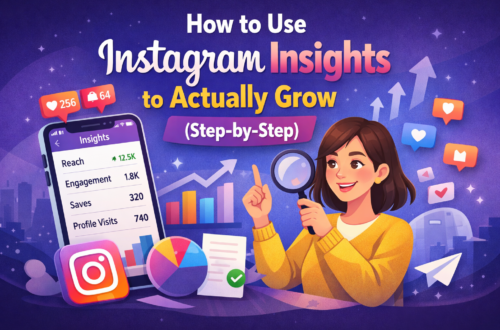
Unlock the secrets to boosting your Instagram engagement! Discover the optimal times to post and watch your audience interactions soar.
Understanding Instagram Engagement
Instagram has evolved from a simple photo-sharing app to a powerful marketing tool for brands, influencers, and individuals alike. Engagement on Instagram refers to the interactions your content receives, such as likes, comments, shares, and saves. Higher engagement rates can significantly boost your visibility on the platform, leading to more followers and greater influence.
Understanding how engagement works requires a deep dive into Instagram’s algorithm. This algorithm prioritizes content that receives higher user interaction, pushing popular posts to the top of feeds and even on the Explore page. Therefore, knowing how to maximize engagement is crucial for anyone looking to make a mark on Instagram.
Engagement is not just about the numbers; it’s about building a community. The more your audience interacts with your content, the more likely they are to become loyal followers. By understanding the intricacies of Instagram engagement, you can tailor your content strategy to not only meet but exceed your engagement goals.
Importance of Timing in Social Media Posting
One of the most overlooked aspects of social media strategy is timing. Posting at the right time can mean the difference between a post that goes viral and one that barely gets noticed. This is because your audience is more likely to engage with content when they are active on the platform.
Timing plays a crucial role in social media algorithms. When a post receives a significant amount of engagement shortly after being published, Instagram interprets it as high-quality content and is more likely to show it to a broader audience. Therefore, posting when your audience is most active can lead to more immediate interactions, boosting your post’s visibility.
Moreover, understanding your audience’s behavior and habits can help you schedule your posts in a way that aligns with their routine. This targeted approach ensures that your content is seen by the maximum number of followers, thereby increasing its potential for engagement.
Analyzing Instagram User Behavior
To optimize your posting schedule, you need to understand Instagram user behavior. This involves looking at when your followers are most active and how they interact with your content. Instagram Insights, available to business and creator accounts, provides valuable data on follower activity.
These insights include information on the days and times your followers are most active, which can be a goldmine for scheduling your posts. By analyzing this data, you can identify patterns and trends that indicate the best times to post for maximum engagement. Additionally, monitoring the performance of past posts can provide clues about the optimal times for your specific audience.
User behavior also varies by demographic factors such as age, location, and interests. For example, younger audiences might be more active in the evenings, while professionals might check their feeds during lunch breaks. Tailoring your posting times to fit the habits of your target audience can significantly enhance your engagement rates.
Best Times to Post on Instagram by Day
While there is no one-size-fits-all answer, certain times of the day generally yield higher engagement rates on Instagram. Studies have shown that the best times to post are typically during off-work hours, such as early mornings, lunch breaks, and evenings. These are the times when users are most likely to be scrolling through their feeds.
For example, posting early in the morning, between 6 AM and 9 AM, can capture the attention of users who check their phones first thing in the morning. Lunchtime, around 12 PM to 2 PM, is another prime window as people take breaks and catch up on social media. Evenings, from 6 PM to 9 PM, are also highly effective times as users unwind after a long day.
However, these times can vary depending on the day of the week. Weekends might see different patterns compared to weekdays, with users being more active during leisure times. By experimenting with different posting times and closely monitoring engagement metrics, you can fine-tune your schedule to find the optimal times for your specific audience.
Industry-Specific Posting Times
Different industries have unique audience behaviors and preferences when it comes to social media activity. For instance, a restaurant might find that posting pictures of their dishes around meal times garners more engagement. In contrast, a fitness brand might see higher interaction when posting early in the morning or late in the evening.
Fashion and beauty brands often see success with posts during lunch breaks and evenings when their audience is more likely to engage with lifestyle content. Tech companies, on the other hand, might find that their followers are more active during work hours, making midday posts more effective.
Understanding the specific habits of your industry can give you a competitive edge. By aligning your posting schedule with your audience’s routine, you can ensure that your content is seen and engaged with by the right people at the right time. Conducting industry-specific research and staying updated with trends can further refine your posting strategy.
Tools for Analyzing Engagement Metrics
Many tools can surface engagement metrics, but the real challenge is knowing what to do with them. My Social Media Insights is designed to remove that guesswork by analyzing your actual Facebook and Instagram performance and showing you what’s working, when it’s working, and how to repeat it. Instead of manually interpreting charts, you get clear insights, posting recommendations, and done-for-you content based on your own data and niche.
Native tools like Instagram Insights are a helpful starting point, offering visibility into follower activity, post performance, and basic audience demographics. They can tell you what happened and when your audience is active, but they still require you to connect the dots and decide how to adjust your strategy.
Third-party platforms such as Hootsuite, Buffer, and Sprout Social add deeper reporting and scheduling capabilities, making it easier to compare performance across posts and timeframes. However, they largely stop at reporting.
What sets My Social Media Insights apart is that it translates engagement data into direction. It identifies optimal posting patterns, highlights why certain posts perform better, and helps you refine your strategy without relying on manual A/B testing or trial-and-error scheduling. The result is a smarter, more confident posting strategy built around what your audience has already proven they respond to.
A/B Testing Your Posting Schedule
A/B testing, or split testing, is a powerful method for determining the best posting times on Instagram. This involves posting similar content at different times and comparing the engagement metrics to see which time performs better. This method can provide valuable insights into your audience’s behavior and preferences.
Start by selecting two different times to post similar content. For example, you could post one version at 9 AM and another at 6 PM. Monitor the engagement metrics for each post, such as likes, comments, and shares. Over time, you will begin to see patterns that indicate the most effective times for your audience.
It’s important to keep other variables consistent during A/B testing to ensure accurate results. This means using similar types of content, captions, and hashtags. By systematically testing and analyzing your posting schedule, you can optimize your strategy for maximum engagement.
Adjusting for Time Zones and Global Audiences
If your audience spans multiple time zones, scheduling posts can become more complex. Posting at the right time for one segment of your audience might mean missing out on another. In such cases, it’s crucial to identify your primary audience and prioritize their time zone.
One approach is to use tools that allow you to schedule posts for different time zones. Tools like Later and Buffer offer features that can help you manage global audiences by scheduling posts to go live at optimal times for different regions. This ensures that your content reaches the maximum number of followers.
Another strategy is to stagger your posts to cover different time zones. For example, you could post in the morning for your audience in the United States and in the evening for your followers in Europe. By balancing your posting schedule, you can effectively engage with a global audience.
Common Mistakes to Avoid When Scheduling Posts
While timing is crucial, several common mistakes can hinder your engagement efforts. One mistake is relying too heavily on generalized best times without considering your specific audience. What works for one account might not work for another, so it’s essential to tailor your strategy to your followers.
Another mistake is neglecting to monitor and adjust your posting schedule. Social media trends and user behavior can change over time, so it’s important to regularly review your engagement metrics and make necessary adjustments. Sticking to the same schedule without considering changes in user activity can lead to missed opportunities.
Lastly, overposting or underposting can also impact your engagement. Posting too frequently can overwhelm your audience, while posting too infrequently can cause your followers to lose interest. Finding the right balance is key to maintaining a consistent and engaged audience.
Conclusion: Crafting Your Optimal Posting Strategy
Crafting an optimal posting strategy on Instagram involves a combination of understanding user behavior, leveraging analytics, and continuous testing and adjustment. By focusing on the timing of your posts, you can significantly enhance your engagement rates and build a stronger presence on the platform.
Start by analyzing your audience’s activity patterns using tools like Instagram Insights and third-party analytics platforms. Conduct A/B tests to identify the best times for your specific audience, and adjust your schedule based on engagement metrics. Consider industry-specific trends and the impact of time zones to ensure your content reaches the maximum number of followers.
Avoid common mistakes by regularly reviewing and adjusting your strategy. Remember, the key to success on Instagram is not just about posting at the right time, but also about creating valuable and engaging content that resonates with your audience. By combining these elements, you can craft a posting strategy that drives optimal engagement and growth.
Find the Best Time for Your Audience
Generic posting schedules are a starting point. My Social Media Insights uses your real performance data to help you understand when and what to post.
No pressure—cancel anytime.
Related Resources
- Unlocking Success: Social Media Analytics for Small Businesses
- How to Use Instagram Insights to Actually Grow
- Meta Business Help Center — Social media analytics and Instagram